How Coil Handling Cranes Prevent Damage vs Hook Lifting
menu_open
Content Quick Link
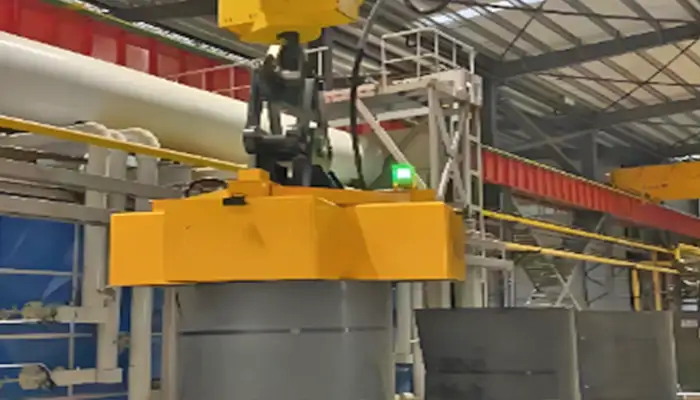
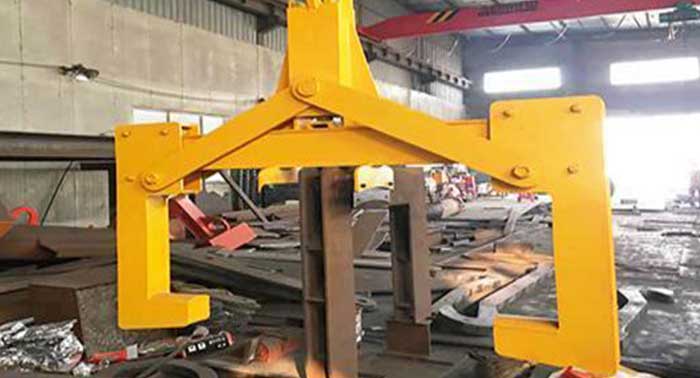
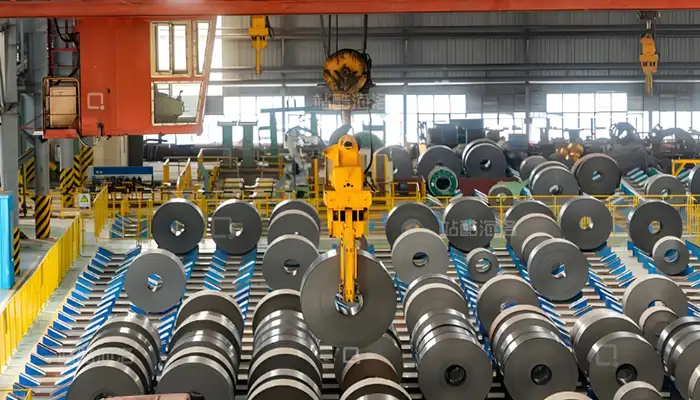
Handling steel coils in a service center is not just about moving heavy rolls from one place to another. Coils are dense, expensive, and often coated or treated for specific applications. Every movement, every lift, has the potential to damage the material, which can quickly translate into lost money or unhappy customers. Service centers typically deal with coils weighing anywhere from a few tons to over 30 tons. That makes the choice of lifting method and equipment critical. Material Handling in Coil Service Centers The Common Issue: Material Damage During Lifting and Transportation One of the biggest headaches for service center operators is material damage during handling. Using traditional hook lifting often causes stress points and uneven pressure on the coil. This can lead to: Even a small scratch on a coated coil can mean it can't be sold at full value. And if damage occurs repeatedly, it adds up, both in direct losses and operational delays. Purpose of This Article This article explains why coil handling cranes—including clamp and magnetic lifting solutions—are far more effective at protecting material compared to traditional hook lifting. For service center operators and buyers, understanding this difference isn't just technical; it's financial. Reducing damage means fewer losses, smoother workflow, and safer operations. By the end of this guide, you'll understand how the right lifting equipment can protect your coils and protect your bottom line. Mechanical Clamp Coil Clamp |Horizontal Eye Steel Coil Clamp & Gripper Stress Points and Surface Damage When you lift a steel coil using a traditional hook, the load isn't evenly distributed. The hook puts pressure on a very small contact area, creating stress points. Over time—or even during a single lift—this can deform the coil, damage the edges, or leave scratches on the surface. Even minor surface defects can affect how the coil behaves during downstream processing or finishing. For coated, galvanized, or painted coils, a scratch isn't just cosmetic—it can lead to rust, paint peeling, or outright rejection by the customer. Safety and Handling Risks Hooks may work fine for simple lifts, but once you deal with large, uneven, or heavy coils, stability becomes a real concern. A coil can slip off the hook or swing unexpectedly, creating a serious safety hazard for operators and equipment. Indirect Costs The hidden costs of hook lifting often go unnoticed until it's too late. Every damaged coil can mean extra labor, rework, and sometimes complete rejection. Over time, these costs add up and directly affect your service center's profitability. Hook lifting might seem like the simplest option, but the hidden risks to material quality, safety, and operational efficiency are significant. That's why many service centers are moving toward more specialized coil handling cranes. Clamp Lifting Advantages Clamp lifting is one of the most effective ways to handle steel coils safely. Unlike hooks that concentrate force on a small point, clamps grip the coil around its circumference, spreading the load evenly. This significantly reduces the risk of deformation, dents, or edge damage. Modern coil clamps are adjustable, so the same crane can handle different coil diameters and widths without compromising safety. For service centers dealing with a variety of coil sizes, this flexibility is critical. Spreaders and Multi-Point Lifting Systems For larger coils—or when moving multiple coils at once—spreader bars and multi-point lifting systems are ideal. They allow the crane to lift heavy or uneven loads without concentrating stress on a single point, which is a common problem with hook lifting. Using multi-point lifting reduces handling time and decreases the chance of human error. It also allows for smoother, more controlled movements, which is especially important in tight workshops or service centers. Magnetic Lifting Options Magnetic lifting is a non-contact method that is especially useful for coated, galvanized, or otherwise delicate coils. Because the magnets lift the coil without physically gripping the edges or surface, the risk of scratches, dents, or contamination is essentially eliminated. Magnetic cranes are particularly valuable in facilities where surface quality is critical and any imperfection can lead to customer complaints or rework. By using clamp, spreader, or magnetic lifting systems, service centers can handle coils safely, efficiently, and without compromising quality. This directly protects the material and improves overall operational efficiency. Consistent Protection of Coil Integrity One of the main advantages of coil handling cranes is the consistent protection they provide to the material. By distributing weight evenly and avoiding concentrated stress points, clamps, spreaders, and magnetic systems help maintain the coil's original shape and condition. Over time, this consistency reduces the risk of internal stresses building up, which can cause cracking or deformation during storage or processing. Reduction in Surface Defects, Cracks, and Edge Damage Surface defects are a common result of improper handling. Traditional hooks or manual methods often scratch the coil or create pressure points that lead to cracks along the edges. Using specialized cranes significantly lowers the likelihood of these issues. Improved Customer Satisfaction and Lower Scrap Rates The benefits of preventing material damage go beyond operational efficiency—they directly affect customer satisfaction. Delivering coils that are free from scratches, dents, or edge damage strengthens trust with clients and reduces returns or complaints. By minimizing damage, coil handling cranes not only protect the material but also support a service center's bottom line, making them a practical investment for operations focused on quality and efficiency. Reduced Material Waste Material damage directly translates into financial loss. Every coil that gets scratched, dented, or deformed may need rework, lowering its resale value, or worse, it could be scrapped entirely. By using coil handling cranes, service centers see a clear reduction in material waste because the coils remain intact throughout handling and storage. Increased Operational Efficiency Specialized coil handling cranes make lifting, transporting, and stacking coils faster and safer. With less risk of accidents or coil damage, operators can work more efficiently. This efficiency reduces downtime, minimizes interruptions, and lowers overall labor costs. Better Customer Retention High-quality handling translates to high-quality deliveries. When coils arrive without surface damage or deformation, customers are more likely to be satisfied and continue business. This builds trust and strengthens long-term relationships, which is especially important in competitive markets. Investing in coil handling cranes is not just about preventing damage—it's about improving the bottom line. Reduced waste, faster operations, and satisfied customers all contribute to measurable return on investment for service centers. Choosing the Right Coil Handling Crane Selecting the right crane is not just about picking the highest lifting capacity. Buyers need to consider the type of crane—clamp, magnetic, or multi-point spreader—and whether it can handle the range of coil sizes in their facility. Adjustability is key. A crane that can adapt to different diameters and widths allows for more efficient handling and reduces the risk of damage. Importance of Proper Operator Training Even the best crane can cause damage or accidents if operators aren't trained properly. Understanding how to position clamps, engage magnets, or operate multi-point systems safely is critical. Proper training ensures that the crane is used efficiently while minimizing risks. Integration with Existing Workshop Layout and Workflow A crane should fit seamlessly into your current workflow, not disrupt it. Consider how it will move coils from storage to processing areas, and ensure it doesn't create bottlenecks. Proper planning prevents unnecessary handling, reduces time spent on repositioning coils, and protects both material and workers.Introduction
Understanding the Problem with Hook Lifting
How Coil Handling Cranes Protect Material

Quality and Defect Prevention Benefits
Direct ROI for Service Centers
Practical Considerations for Buyers
Case
Reducing Coil Damage in Practice
Several service centers have seen measurable improvements after switching from hook lifting to specialized coil handling cranes. One mid-sized facility handling 15–25 ton coils reported a 40% reduction in coil surface damage within the first three months of using clamp cranes. Another center that integrated magnetic lifting for coated coils nearly eliminated scratches, preserving product quality and customer satisfaction.
- Service centers report fewer damaged coils, reducing scrap and rework costs.
- Labor time spent on repositioning or fixing coils decreased by 20–30%.
- Improved delivery quality led to fewer customer complaints and returns.
- Multi-point lifting allowed faster handling of multiple coils, improving workflow efficiency.
These examples show that investing in the right lifting solution can produce tangible benefits, both in material protection and operational efficiency.
Conclusion
Why Coil Handling Cranes Are Superior
Coil handling cranes—whether clamp, magnetic, or multi-point lifting—protect material far better than traditional hook lifting. They distribute load evenly, reduce surface defects, prevent edge damage, and support safer handling of heavy or delicate coils.
Direct ROI and Operational Benefits
The benefits are not just technical—they have a real impact on the bottom line:
- Reduced material waste and scrap.
- Faster, safer, and more efficient handling.
- Improved customer satisfaction and long-term retention.
If your service center is dealing with frequent coil damage or inefficient handling, it’s time to explore specialized coil handling cranes. Consult with experienced crane suppliers to select a solution that fits your coil sizes, workflow, and operational requirements. Protect your material, improve efficiency, and see a measurable return on investment.

Article by Bella ,who has been in the hoist and crane field since 2016. Bella provides overhead crane & gantry crane consultation services for clients who need a customized overhead travelling crane solution.Contact her to get free consultation.